Delhi
08048074203
+919310419199

Products

6814772a5d263414004dd4a4 Card 2

product image
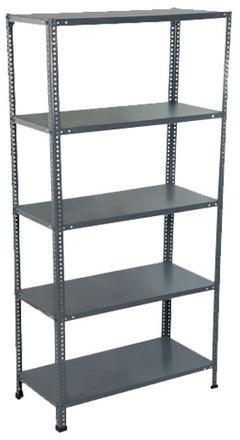
Slotted Angle Rack

A slotted angle rack is a versatile shelving system made from slotted angle iron, which allows for adjustable and customizable storage solutions. Here are some key features and benefits: Features: Adjustable Shelves: The slotted design allows shelves to be positioned at varying heights, accommodating different item sizes. Durable Material: Typically made from steel or heavy-duty metal, providing strength and stability. Easy Assembly: Often designed for straightforward assembly, requiring minimal tools. Modular Design: Can be expanded or reconfigured easily to meet changing storage needs. Benefits: Space Optimization: Efficiently utilizes vertical space, maximizing storage capacity. Versatility: Suitable for various environments, including warehouses, garages, and retail spaces. Cost-Effective: Provides a robust storage solution at a lower cost compared to custom-built shelving. Durability: Resistant to wear and tear, making it suitable for heavy-duty use. Applications: Warehousing Retail stockrooms Industrial settings Home garages or workshops If you have specific questions or need guidance on setup or applications, feel free to ask! 4o mini

6814772a5d263414004dd4a4 Card 2

product image
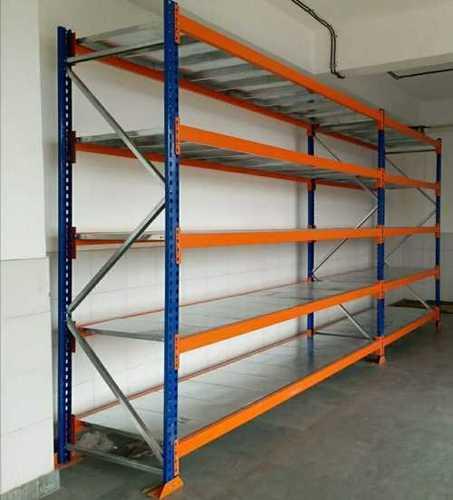
Heavy Duty Rack

A heavy-duty rack is typically used for storing and organizing a variety of items, particularly in garages, warehouses, or industrial settings. These racks are designed to hold significant weight and are often made from robust materials like steel. They can come in various configurations, such as: Shelving Units: Great for storing boxes, tools, or equipment. Pallet Racks: Used in warehouses to hold pallets of goods. Garage Racks: Ideal for maximizing storage space in a garage. Tool Racks: Specifically designed for organizing tools and equipment. When choosing a heavy-duty rack, consider the weight capacity, dimensions, material, and intended use to ensure it meets your needs. Do you have a specific application or type of rack in mind?

6814772a5d263414004dd4a4 Card 2

product image
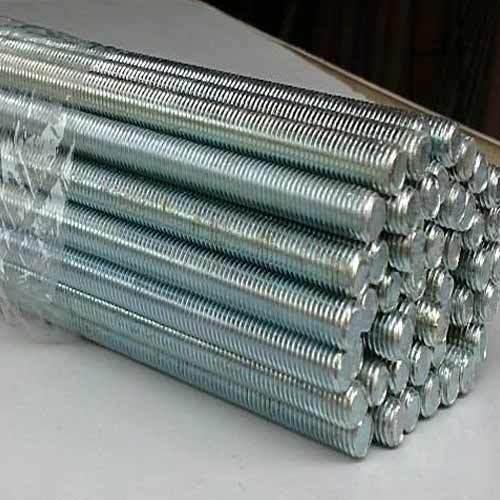
Threaded Rods

Threaded rods are long, cylindrical metal rods that have continuous threading along their length. They're commonly used in construction and manufacturing for various applications. Here are some key points about threaded rods: Types Materials: Typically made from steel, stainless steel, or other alloys. Threads: Available in different sizes and thread pitches (fine and coarse). Coatings: Can have protective coatings like zinc plating to prevent corrosion. Applications Construction: Used for anchoring, support, and stabilization in structures. Machinery: Serve as connectors in mechanical assemblies. Furniture: Often found in the assembly of tables, shelves, and other furniture items. Installation Can be cut to length, and installation may require nuts, washers, or other fasteners. Sometimes used with anchors in concrete or masonry for added stability. Advantages High strength and load-bearing capacity. Versatile and easy to use for various applications. If you have specific questions or need more details about threaded rods, feel free to ask!

6814772a5d263414004dd4a4 Card 2

product image
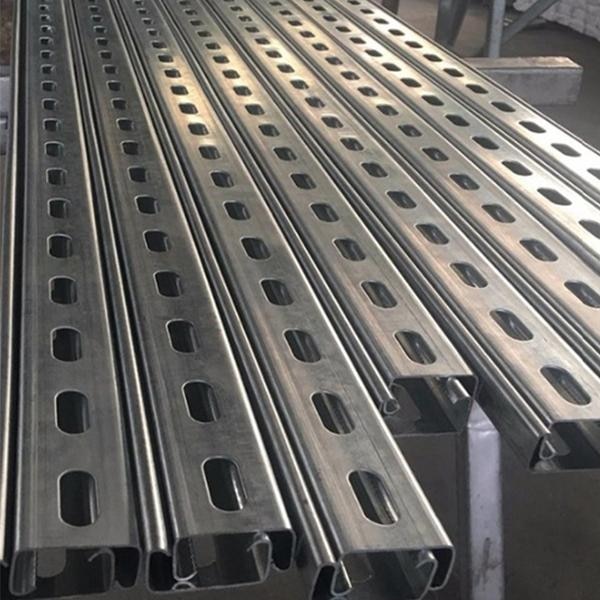
Strut Channel

Strut channel, often referred to as strut or channel framing, is a type of metal framing used in construction and industrial applications. Typically made from steel or aluminum, strut channels have a C-shaped cross-section and are designed to support various types of mechanical and electrical systems. Common Uses: Support Structures: Used to support piping, ductwork, and electrical conduits. Framework: Provides a framework for mounting equipment and fixtures. Modular Systems: Ideal for creating adjustable and modular systems, allowing for easy reconfiguration. Benefits: Versatility: Can be cut and shaped to fit specific needs. Strength: Offers robust support for heavy loads. Ease of Installation: Generally lightweight and easy to install with standard fasteners. If you have specific questions or need more details about strut channels, feel free to ask!

6814772a5d263414004dd4a4 Card 2

product image
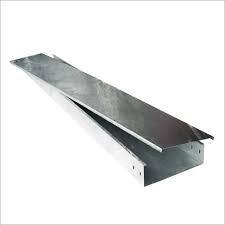
Raceway

A cable raceway is a type of conduit that protects and organizes electrical cables and wires. It provides a neat, safe way to route cables, often used in residential, commercial, and industrial settings. Here are some key points about cable raceways: Types: They come in various materials, including plastic, metal, and fiber. Common types include surface-mounted raceways and recessed raceways. Installation: Raceways can be easily installed on walls, ceilings, or floors, allowing for flexible routing of cables without the need for complex wiring methods. Applications: They're ideal for both permanent installations and temporary setups, like in events or exhibitions, to keep cables tidy and reduce tripping hazards. Ventilation: Some raceways have ventilation features to prevent overheating of cables, especially in environments with high electrical loads. Aesthetics: They can help maintain a clean look in spaces by hiding cables, making them a popular choice in home theaters, offices, and commercial spaces. If you have specific questions or need more details, feel free to ask!

6814772a5d263414004dd4a4 Card 2

product image
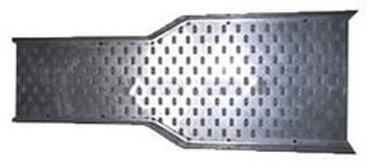
Perforated type cable tray

A cable tray perforated reducer is a fitting used in cable management systems. It allows for a transition between different sizes of cable trays, facilitating the routing of cables from a larger tray to a smaller one. The perforated design promotes airflow and can help with heat dissipation, while also providing flexibility for cable attachment and management. Key Features: Material: Typically made of steel or aluminum for durability and strength. Design: Perforated for ventilation and ease of access. Sizes: Available in various sizes to match standard cable tray dimensions. Installation: Designed for easy installation, often with pre-drilled holes for mounting. Applications: Industrial settings for electrical wiring management. Data centers for organizing and cooling cables. Commercial buildings for electrical and communication cables. Benefits: Helps maintain organization in cable systems. Enhances airflow, reducing the risk of overheating. Provides a neat transition between different cable tray sizes. When selecting a perforated reducer, it's essential to consider the specific requirements of your installation, including load capacity and environmental factors.

6814772a5d263414004dd4a4 Card 2

product image
Perforated type cable tray

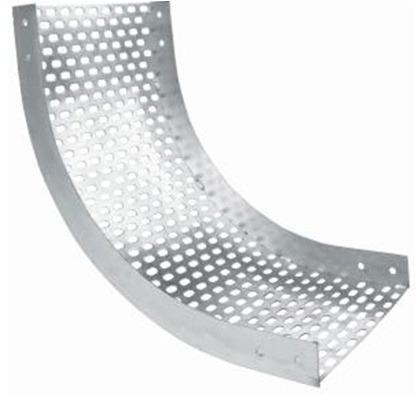
A perforated vertical elbow up for a cable tray is a fitting used to change the direction of cable trays in a vertical orientation. These elbows allow for the efficient routing of cables while maintaining airflow and accessibility, thanks to the perforations that help with ventilation and reduce dust accumulation. Key Features: Material: Typically made from galvanized steel or aluminum for durability. Perforations: Designed with holes to enhance airflow and prevent overheating of cables. Size Compatibility: Available in various sizes to match the cable tray dimensions. Installation: Can be easily integrated into existing cable tray systems using standard connectors. Applications: Data Centers: For organizing network cables. Industrial Settings: For routing power and control cables in manufacturing plants. Commercial Buildings: In electrical and communication systems. Benefits: Improved cable management. Enhanced cooling through perforation. Flexibility in routing cables in tight spaces. When selecting a perforated vertical elbow, ensure it meets the specific requirements of your installation, including load capacity and environmental conditions. A perforated vertical elbow up for a cable tray is a fitting used to change the direction of cable trays in a vertical orientation. These elbows allow for the efficient routing of cables while maintaining airflow and accessibility, thanks to the perforations that help with ventilation and reduce dust accumulation. Key Features: Material: Typically made from galvanized steel or aluminum for durability. Perforations: Designed with holes to enhance airflow and prevent overheating of cables. Size Compatibility: Available in various sizes to match the cable tray dimensions. Installation: Can be easily integrated into existing cable tray systems using standard connectors. Applications: Data Centers: For organizing network cables. Industrial Settings: For routing power and control cables in manufacturing plants. Commercial Buildings: In electrical and communication systems. Benefits: Improved cable management. Enhanced cooling through perforation. Flexibility in routing cables in tight spaces. When selecting a perforated vertical elbow, ensure it meets the specific requirements of your installation, including load capacity and environmental conditions. A perforated vertical elbow up for a cable tray is a fitting used to change the direction of cable trays in a vertical orientation. These elbows allow for the efficient routing of cables while maintaining airflow and accessibility, thanks to the perforations that help with ventilation and reduce dust accumulation. Key Features: Material: Typically made from galvanized steel or aluminum for durability. Perforations: Designed with holes to enhance airflow and prevent overheating of cables. Size Compatibility: Available in various sizes to match the cable tray dimensions. Installation: Can be easily integrated into existing cable tray systems using standard connectors. Applications: Data Centers: For organizing network cables. Industrial Settings: For routing power and control cables in manufacturing plants. Commercial Buildings: In electrical and communication systems. Benefits: Improved cable management. Enhanced cooling through perforation. Flexibility in routing cables in tight spaces. When selecting a perforated vertical elbow, ensure it meets the specific requirements of your installation, including load capacity and environmental conditions. A perforated vertical elbow up for a cable tray is a fitting used to change the direction of cable trays in a vertical orientation. These elbows allow for the efficient routing of cables while maintaining airflow and accessibility, thanks to the perforations that help with ventilation and reduce dust accumulation. Key Features: Material: Typically made from galvanized steel or aluminum for durability. Perforations: Designed with holes to enhance airflow and prevent overheating of cables. Size Compatibility: Available in various sizes to match the cable tray dimensions. Installation: Can be easily integrated into existing cable tray systems using standard connectors. Applications: Data Centers: For organizing network cables. Industrial Settings: For routing power and control cables in manufacturing plants. Commercial Buildings: In electrical and communication systems. Benefits: Improved cable management. Enhanced cooling through perforation. Flexibility in routing cables in tight spaces. When selecting a perforated vertical elbow, ensure it meets the specific requirements of your installation, including load capacity and environmental conditions. A perforated vertical elbow up for a cable tray is a fitting used to change the direction of cable trays in a vertical orientation. These elbows allow for the efficient routing of cables while maintaining airflow and accessibility, thanks to the perforations that help with ventilation and reduce dust accumulation.

6814772a5d263414004dd4a4 Card 2

product image
Perforated type cable tray

A perforated vertical elbow down in a cable tray system is designed to redirect cable pathways in a vertical direction. Here are some key features and benefits: Key Features: Material: Typically made from steel or aluminum, often galvanized or painted for corrosion resistance. Perforations: Allow for ventilation and cable heat dissipation, reducing the risk of overheating. Angle: Generally a 90-degree bend to change the direction of the cable tray vertically. Load Capacity: Designed to support the weight of cables while maintaining structural integrity. Benefits: Improved Cable Management: Helps in organizing and routing cables effectively. Ease of Installation: Compatible with standard cable tray systems, facilitating quick assembly. Flexibility: Can accommodate various cable types and sizes. Enhanced Safety: Reduces the risk of cable damage by providing a designated pathway. Applications: Commercial Buildings: Used in electrical and data installations. Industrial Settings: Ideal for environments where cables need to be routed around machinery or other obstacles. When selecting a perforated vertical elbow down, consider factors like tray size, load requirements, and environmental conditions to ensure optimal performance.

6814772a5d263414004dd4a4 Card 2

product image
Perforated type cable tray

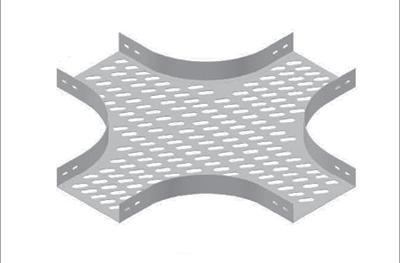
A perforated horizontal cross for cable trays is a connector used in cable management systems. It allows for the junction of four different cable tray sections, facilitating changes in direction while maintaining ventilation and ease of cable management. Key Features: Material: Typically made from steel or aluminum for durability. Perforations: Provide airflow and reduce weight, preventing overheating of cables. Dimensions: Varies based on the specific cable tray system, ensuring compatibility. Installation: Generally straightforward, requiring standard mounting hardware. Applications: Data Centers: For organizing and managing large volumes of cables. Industrial Settings: Supporting electrical and communication cables in manufacturing plants. Commercial Buildings: In office spaces for structured cabling systems. Benefits: Enhances cable organization. Improves airflow to prevent cable overheating. Simplifies maintenance and future upgrades. If you need more specific information or installation guidelines, feel free to ask!

6814772a5d263414004dd4a4 Card 2

product image
Perforated type cable tray

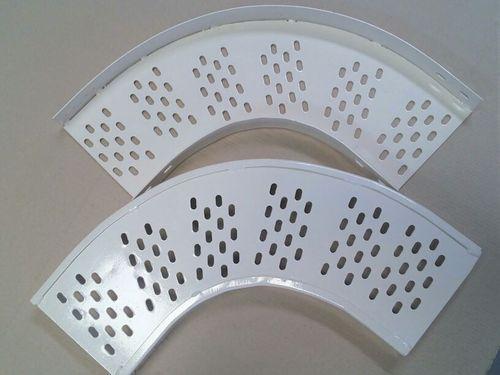
A perforated horizontal elbow for cable trays is a fitting used to change the direction of cable tray systems, typically at a 90-degree angle. These elbows are designed with perforations, which serve several purposes: Ventilation: The perforations allow for airflow, helping to dissipate heat from the cables. Weight Reduction: The holes reduce the overall weight of the elbow without compromising strength. Cable Management: They provide options for cable entry and exit, aiding in organization and flexibility. Key Features: Material: Usually made from steel or aluminum, coated for corrosion resistance. Sizes: Available in various sizes to fit different cable tray systems. Installation: Typically installed with bolts or clamps, ensuring a secure fit. Applications: Industrial: Used in factories, warehouses, and data centers. Commercial: Suitable for office buildings and retail spaces. Telecommunications: Helps organize and route data and power cables. If you have specific questions about installation or selection, feel free to ask!

Phone Number

Email Address info@danddmetal.com

Mon-Thu: 10 AM - 2 PM • Fri: 3 PM - 7AM

Other Website Visit our other website
Address

X-18 2nd Floor, Loha Mandi, Naraina, Delhi