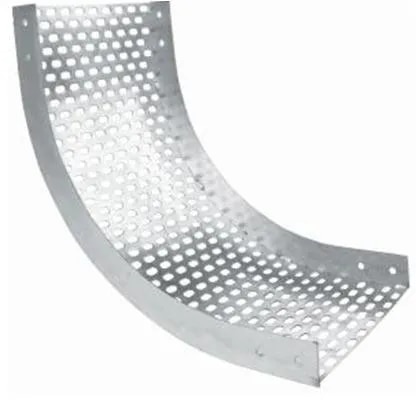
Cable Tray Perforated Vertical Elbow Up
Description
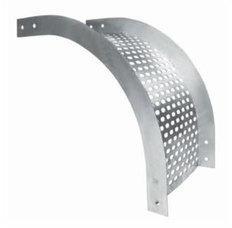
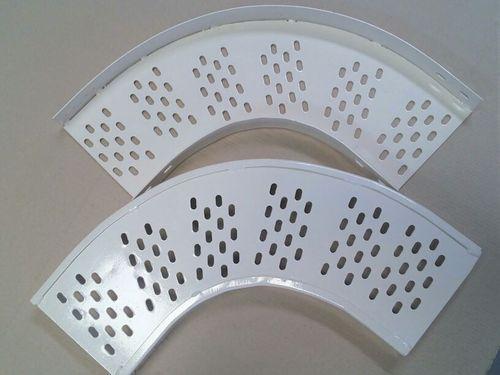
A perforated vertical elbow up for a cable tray is a fitting used to change the direction of cable trays in a vertical orientation. These elbows allow for the efficient routing of cables while maintaining airflow and accessibility, thanks to the perforations that help with ventilation and reduce dust accumulation.
Key Features:
Material: Typically made from galvanized steel or aluminum for durability.
Perforations: Designed with holes to enhance airflow and prevent overheating of cables.
Size Compatibility: Available in various sizes to match the cable tray dimensions.
Installation: Can be easily integrated into existing cable tray systems using standard connectors.
Applications:
Data Centers: For organizing network cables.
Industrial Settings: For routing power and control cables in manufacturing plants.
Commercial Buildings: In electrical and communication systems.
Benefits:
Improved cable management.
Enhanced cooling through perforation.
Flexibility in routing cables in tight spaces.
When selecting a perforated vertical elbow, ensure it meets the specific requirements of your installation, including load capacity and environmental conditions.
A perforated vertical elbow up for a cable tray is a fitting used to change the direction of cable trays in a vertical orientation. These elbows allow for the efficient routing of cables while maintaining airflow and accessibility, thanks to the perforations that help with ventilation and reduce dust accumulation.
Key Features:
Material: Typically made from galvanized steel or aluminum for durability.
Perforations: Designed with holes to enhance airflow and prevent overheating of cables.
Size Compatibility: Available in various sizes to match the cable tray dimensions.
Installation: Can be easily integrated into existing cable tray systems using standard connectors.
Applications:
Data Centers: For organizing network cables.
Industrial Settings: For routing power and control cables in manufacturing plants.
Commercial Buildings: In electrical and communication systems.
Benefits:
Improved cable management.
Enhanced cooling through perforation.
Flexibility in routing cables in tight spaces.
When selecting a perforated vertical elbow, ensure it meets the specific requirements of your installation, including load capacity and environmental conditions.
A perforated vertical elbow up for a cable tray is a fitting used to change the direction of cable trays in a vertical orientation. These elbows allow for the efficient routing of cables while maintaining airflow and accessibility, thanks to the perforations that help with ventilation and reduce dust accumulation.
Key Features:
Material: Typically made from galvanized steel or aluminum for durability.
Perforations: Designed with holes to enhance airflow and prevent overheating of cables.
Size Compatibility: Available in various sizes to match the cable tray dimensions.
Installation: Can be easily integrated into existing cable tray systems using standard connectors.
Applications:
Data Centers: For organizing network cables.
Industrial Settings: For routing power and control cables in manufacturing plants.
Commercial Buildings: In electrical and communication systems.
Benefits:
Improved cable management.
Enhanced cooling through perforation.
Flexibility in routing cables in tight spaces.
When selecting a perforated vertical elbow, ensure it meets the specific requirements of your installation, including load capacity and environmental conditions.
A perforated vertical elbow up for a cable tray is a fitting used to change the direction of cable trays in a vertical orientation. These elbows allow for the efficient routing of cables while maintaining airflow and accessibility, thanks to the perforations that help with ventilation and reduce dust accumulation.
Key Features:
Material: Typically made from galvanized steel or aluminum for durability.
Perforations: Designed with holes to enhance airflow and prevent overheating of cables.
Size Compatibility: Available in various sizes to match the cable tray dimensions.
Installation: Can be easily integrated into existing cable tray systems using standard connectors.
Applications:
Data Centers: For organizing network cables.
Industrial Settings: For routing power and control cables in manufacturing plants.
Commercial Buildings: In electrical and communication systems.
Benefits:
Improved cable management.
Enhanced cooling through perforation.
Flexibility in routing cables in tight spaces.
When selecting a perforated vertical elbow, ensure it meets the specific requirements of your installation, including load capacity and environmental conditions.
A perforated vertical elbow up for a cable tray is a fitting used to change the direction of cable trays in a vertical orientation. These elbows allow for the efficient routing of cables while maintaining airflow and accessibility, thanks to the perforations that help with ventilation and reduce dust accumulation.