Delhi
08048074203
+919310419199

Products

6814772a5d263414004dd4a4 Card 2

product image
Ladder cable tray

A cable tray ladder horizontal tee is a structural component used in cable management systems. It allows for the branching of cables horizontally while maintaining the integrity of the cable tray system. Here are some key points: Design: The horizontal tee typically consists of three sections that connect to the main cable tray, allowing cables to branch off in different directions. Material: Often made from materials like aluminum, steel, or fiberglass, depending on the environmental requirements and load-bearing needs. Installation: Proper installation is crucial to ensure that cables are supported correctly and that the system remains organized. Applications: Commonly used in industrial, commercial, and data center environments where managing large volumes of electrical and communication cables is essential. Compliance: Ensure that the installation complies with local electrical codes and industry standards for safety and performance. If you have any specific questions or need details about installation, sizing, or regulations, feel free to ask! A cable tray ladder horizontal tee is a structural component used in cable management systems. It allows for the branching of cables horizontally while maintaining the integrity of the cable tray system. Here are some key points: Design: The horizontal tee typically consists of three sections that connect to the main cable tray, allowing cables to branch off in different directions. Material: Often made from materials like aluminum, steel, or fiberglass, depending on the environmental requirements and load-bearing needs. Installation: Proper installation is crucial to ensure that cables are supported correctly and that the system remains organized. Applications: Commonly used in industrial, commercial, and data center environments where managing large volumes of electrical and communication cables is essential. Compliance: Ensure that the installation complies with local electrical codes and industry standards for safety and performance. If you have any specific questions or need details about installation, sizing, or regulations, feel free to ask! A cable tray ladder horizontal tee is a structural component used in cable management systems. It allows for the branching of cables horizontally while maintaining the integrity of the cable tray system. Here are some key points: Design: The horizontal tee typically consists of three sections that connect to the main cable tray, allowing cables to branch off in different directions. Material: Often made from materials like aluminum, steel, or fiberglass, depending on the environmental requirements and load-bearing needs. Installation: Proper installation is crucial to ensure that cables are supported correctly and that the system remains organized. Applications: Commonly used in industrial, commercial, and data center environments where managing large volumes of electrical and communication cables is essential. Compliance: Ensure that the installation complies with local electrical codes and industry standards for safety and performance. If you have any specific questions or need details about installation, sizing, or regulations, feel free to ask! A cable tray ladder horizontal tee is a structural component used in cable management systems. It allows for the branching of cables horizontally while maintaining the integrity of the cable tray system. Here are some key points: Design: The horizontal tee typically consists of three sections that connect to the main cable tray, allowing cables to branch off in different directions. Material: Often made from materials like aluminum, steel, or fiberglass, depending on the environmental requirements and load-bearing needs. Installation: Proper installation is crucial to ensure that cables are supported correctly and that the system remains organized. Applications: Commonly used in industrial, commercial, and data center environments where managing large volumes of electrical and communication cables is essential. Compliance: Ensure that the installation complies with local electrical codes and industry standards for safety and performance. If you have any specific questions or need details about installation, sizing, or regulations, feel free to ask! A cable tray ladder horizontal tee is a structural component used in cable management systems. It allows for the branching of cables horizontally while maintaining the integrity of the cable tray system. Here are some key points: Design: The horizontal tee typically consists of three sections that connect to the main cable tray, allowing cables to branch off in different directions. Material: Often made from materials like aluminum, steel, or fiberglass, depending on the environmental requirements and load-bearing needs. Installation: Proper installation is crucial to ensure that cables are supported correctly and that the system remains organized. Applications: Commonly used in

6814772a5d263414004dd4a4 Card 2

product image
Ladder cable tray

A cable tray ladder vertical elbow down is a component used in cable management systems. It allows for a change in direction of cable trays, specifically when transitioning cables downward at a 90-degree angle. Here are some key points about it: Features: Material: Typically made from steel or aluminum for durability. Design: Ladder-style design promotes airflow and reduces cable overheating. Sizes: Available in various widths and heights to accommodate different cable sizes and quantities. Installation: Usually mounted on vertical surfaces, connecting to existing cable trays. Applications: Used in industrial, commercial, and residential settings to route electrical or data cables efficiently. Ideal for areas where space constraints require a vertical drop. Benefits: Enhances organization of cables, reducing the risk of damage and improving accessibility. Facilitates compliance with safety standards by providing a structured pathway for cables. Considerations: Ensure proper support and spacing according to load requirements. Plan the layout to avoid sharp bends that could damage cables. If you need more specific details or recommendations for a project, let me know!

6814772a5d263414004dd4a4 Card 2

product image
cable tray

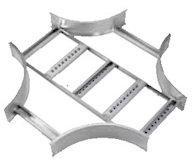
A cable tray ladder horizontal cross is a type of cable management system that allows for the intersection of horizontal runs of cable trays. It is designed to support and organize cables in various applications, providing a stable and accessible pathway for electrical and communication wiring. Key Features: Design: Typically consists of a ladder-like structure, enabling cables to be securely routed while minimizing stress on the cables. Material: Often made from materials like steel or aluminum, providing durability and resistance to environmental factors. Installation: Facilitates easy installation and maintenance of cable systems, with options for supporting different cable sizes and weights. Flexibility: Can be configured to accommodate various layouts and cable routes, allowing for changes in system design as needed. Standards Compliance: Usually meets industry standards for safety and performance, ensuring reliable cable management. Applications: Data centers Industrial facilities Commercial buildings Telecommunications infrastructure If you need specific dimensions or installation guidelines, let me know!

6814772a5d263414004dd4a4 Card 2

product image
cable tray

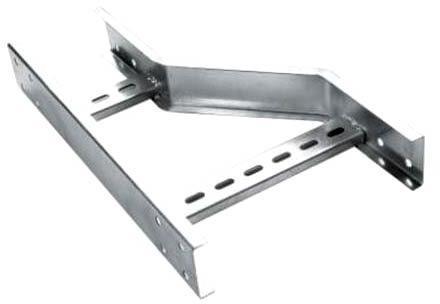
A cable tray ladder reducer is a component used in electrical and networking installations to transition between different sizes of cable trays. It typically allows for a smooth reduction in width, facilitating the management and support of cables as they move from a wider to a narrower tray. Key features include: Material: Often made from metal, such as steel or aluminum, for strength and durability. Design: Designed to maintain structural integrity while providing a seamless flow for cables. Installation: Usually bolted or fastened to existing cable trays for easy integration. These reducers are essential for ensuring safe and organized cable management in various environments, including commercial and industrial settings. If you need more specific information or have a particular application in mind, let me know!

6814772a5d263414004dd4a4 Card 2

product image
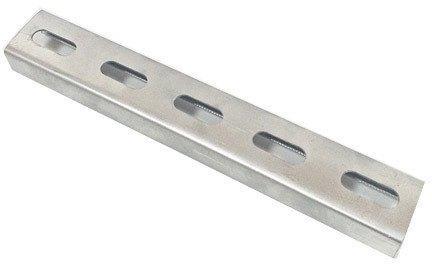
Support Channel

A slotted C channel is a structural component often used in construction, manufacturing, and various engineering applications. It features a C-shaped cross-section with slots along the length, allowing for flexibility in mounting and adjusting components. Key Characteristics: Material: Typically made from steel or aluminum, providing strength and durability. Dimensions: Available in various sizes, with the dimensions affecting load capacity and application. Slots: The slots enable easy attachment of hardware, making it adaptable for different setups. Applications: Commonly used in framing, shelving, conveyor systems, and as support for machinery. Advantages: Versatility: Can be customized for various applications. Ease of Installation: Slots facilitate quick assembly and disassembly. Strength: Provides good structural integrity for a wide range of loads. If you need specific information about dimensions, load ratings, or applications, let me know! A slotted C channel is a structural component often used in construction, manufacturing, and various engineering applications. It features a C-shaped cross-section with slots along the length, allowing for flexibility in mounting and adjusting components. Key Characteristics: Material: Typically made from steel or aluminum, providing strength and durability. Dimensions: Available in various sizes, with the dimensions affecting load capacity and application. Slots: The slots enable easy attachment of hardware, making it adaptable for different setups. Applications: Commonly used in framing, shelving, conveyor systems, and as support for machinery. Advantages: Versatility: Can be customized for various applications. Ease of Installation: Slots facilitate quick assembly and disassembly. Strength: Provides good structural integrity for a wide range of loads. If you need specific information about dimensions, load ratings, or applications, let me know! A slotted C channel is a structural component often used in construction, manufacturing, and various engineering applications. It features a C-shaped cross-section with slots along the length, allowing for flexibility in mounting and adjusting components. Key Characteristics: Material: Typically made from steel or aluminum, providing strength and durability. Dimensions: Available in various sizes, with the dimensions affecting load capacity and application. Slots: The slots enable easy attachment of hardware, making it adaptable for different setups. Applications: Commonly used in framing, shelving, conveyor systems, and as support for machinery. Advantages: Versatility: Can be customized for various applications. Ease of Installation: Slots facilitate quick assembly and disassembly. Strength: Provides good structural integrity for a wide range of loads. If you need specific information about dimensions, load ratings, or applications, let me know! Slotted C Channel used as Cable Tray Support or Duct Support. Construction Support Systems fabrication from iron metal sheet with the final finish of Pre-Galvanized Slotted C Channe or Hot-Dip Galvanized Slotted C Channel 1. Strut Channel 2. Metal Framing 3. Channel Support 4. Cable Management System 5. Ductwork Support used in 1. Construction Materials 2. Building Support Systems 3. Industrial Support Structures 4. Commercial Building Materials 1. Slotted C Channel for Cable Tray Support 2. Pre-Galvanized Strut Channel for Duct Support 3. Hot-Dip Galvanized Channel Support for Industrial Use 4. Slotted C Channel for Building Support Systems 5. Metal Framing for Construction 1. "Slotted C Channel for Cable Tray & Duct Support | Pre-Galvanized & Hot-Dip Galvanized" 2. "Strut Channel for Construction Support Systems" 3. "Metal Framing & Channel Support Solutions" D&D Metal 9811254131

6814772a5d263414004dd4a4 Card 2

product image
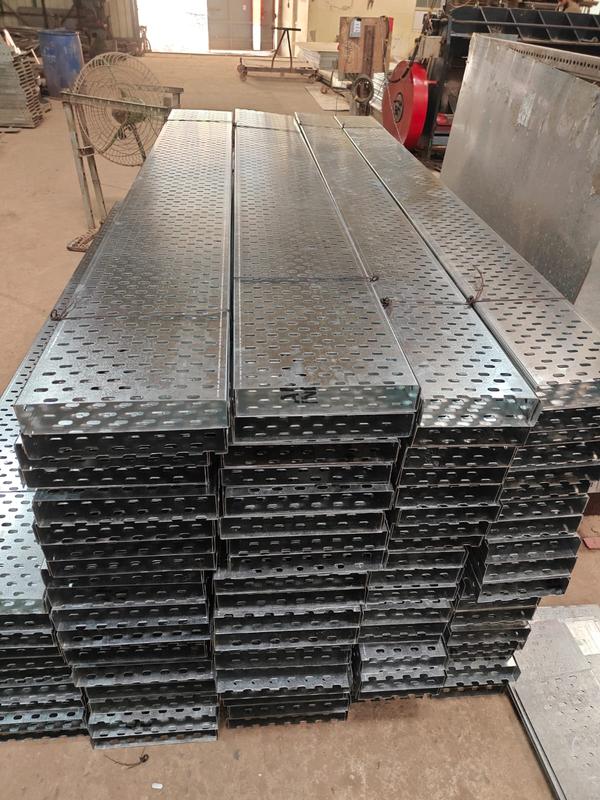
Cable Tray

Perforated Type Cable Trays are a popular choice for supporting and managing electrical wires in various installations. Features: Open Design: The open structure allows for excellent ventilation, which helps dissipate heat generated by the cables. Accessibility: Easy access for installation, maintenance, and future upgrades of cables. Versatile Application: Suitable for both indoor and outdoor use in various environments, including industrial, commercial, and residential settings. Materials: Commonly made from galvanized steel offering different levels of strength and corrosion resistance. Cable Support: Provides stable support for heavy or numerous wires while minimizing sagging. Benefits: Cost-Effective: Generally more economical compared to other types of cable management systems. Durability: High-strength materials ensure long-lasting performance even in harsh conditions. Flexibility: Can be easily modified or expanded as cable needs change over time. Compliance: Meets various safety and building codes, ensuring reliable wires management. Applications: Industrial Facilities: For managing power and communication wires in factories and plants. Commercial Buildings: Used in office spaces, shopping centers, and data centers for structured cabling systems. Telecommunications: Supports cables in telecom installations, ensuring organized and efficient routing. When selecting a Perforated Type Cable Trays, consider factors like load capacity, environmental conditions, and specific installation requirements.

6814772a5d263414004dd4a4 Card 2

product image
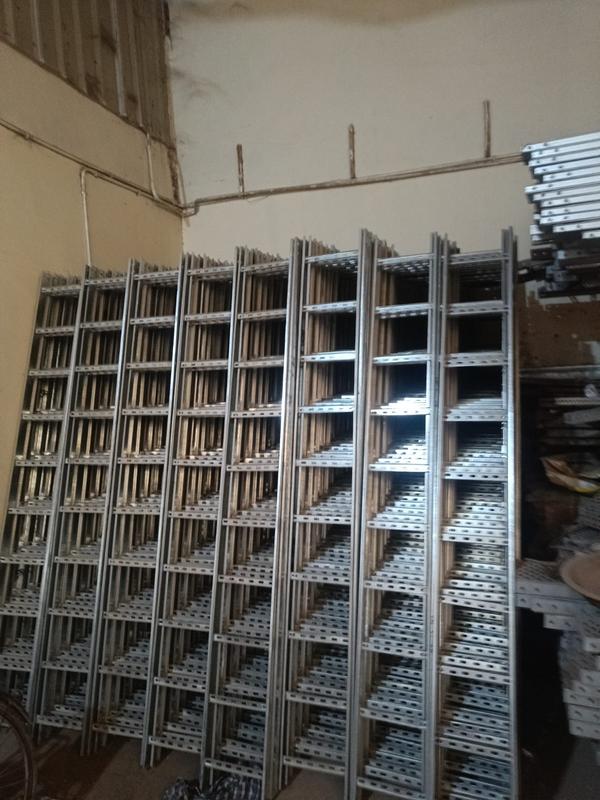
Cable Tray

Ladder type cable trays are a popular choice for supporting and managing electrical cables in various installations. They are characterized by their ladder-like design, consisting of two side rails connected by cross members, resembling the rungs of a ladder. Here are some key features and benefits: Features: Open Design: The open structure allows for excellent ventilation, which helps dissipate heat generated by the cables. Accessibility: Easy access for installation, maintenance, and future upgrades of cables. Versatile Application: Suitable for both indoor and outdoor use in various environments, including industrial, commercial, and residential settings. Materials: Commonly made from galvanized steel, aluminum, or fiberglass, offering different levels of strength and corrosion resistance. Cable Support: Provides stable support for heavy or numerous cables while minimizing sagging. Benefits: Cost-Effective: Generally more economical compared to other types of cable management systems. Durability: High-strength materials ensure long-lasting performance even in harsh conditions. Flexibility: Can be easily modified or expanded as cable needs change over time. Compliance: Meets various safety and building codes, ensuring reliable cable management. Applications: Industrial Facilities: For managing power and communication cables in factories and plants. Commercial Buildings: Used in office spaces, shopping centers, and data centers for structured cabling systems. Telecommunications: Supports cables in telecom installations, ensuring organized and efficient routing. When selecting a ladder type cable tray, consider factors like load capacity, environmental conditions, and specific installation requirements.

Phone Number

Email Address info@danddmetal.com

Mon-Thu: 10 AM - 2 PM • Fri: 3 PM - 7AM

Other Website Visit our other website
Address

X-18 2nd Floor, Loha Mandi, Naraina, Delhi